Reduction in admin time
Native mobile offline capture syncs to the cloud, so nobody retypes site data into a spreadsheet.
WHY OQSHA
Bridge the gap between site activity and corporate assurance with automated audit trails and real-time operational visibility.
Start with one workflow and expand.
Ever ready even with weak connectivity.
Clear owners by department and shift.
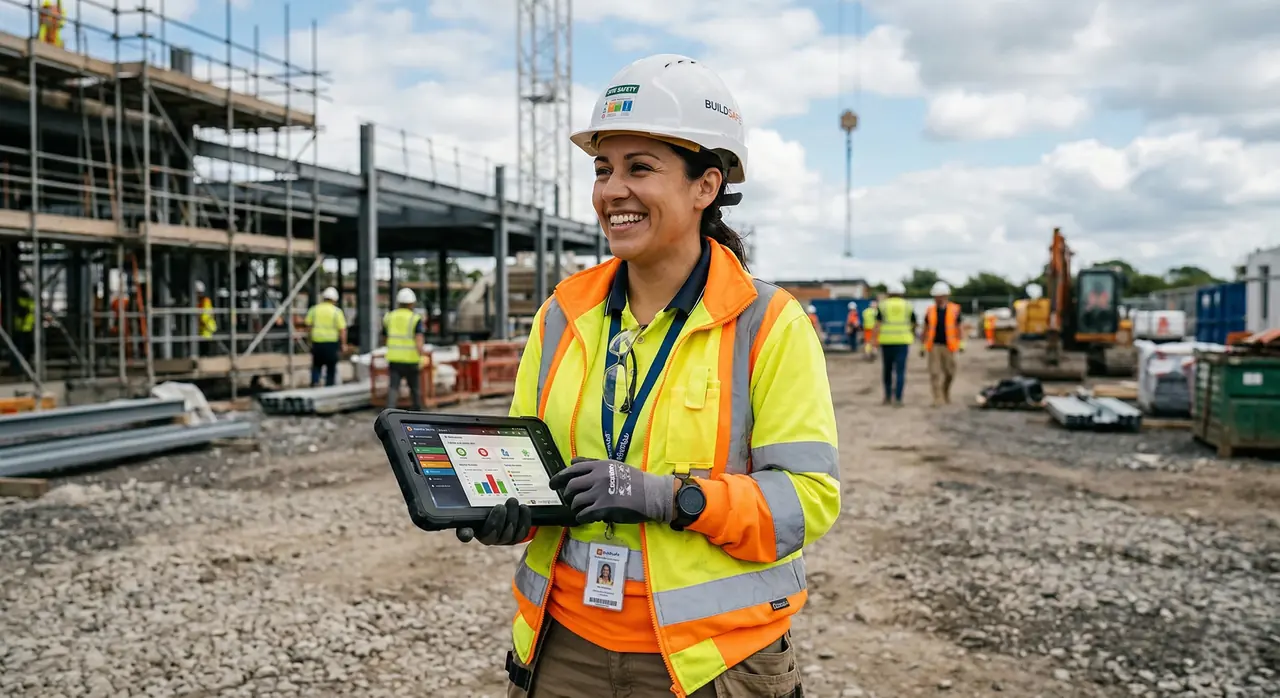
Measurable gains in safety culture and operational efficiency.
Native mobile offline capture syncs to the cloud, so nobody retypes site data into a spreadsheet.
Immutable timestamped approvals for every permission, with closure history attached.
Discovery, config, pilot, rollout and success run as a five-step implementation path.
IMPLEMENTATION & SUPPORT
Weeks 1–2. SOP mapping. Output: SOP map, roles and approval paths.
Explore this solutionWeeks 3–4. Workflow setup. Output: checklist library.
Explore this solutionWeeks 5–6. A single area goes live. Output: user feedback.
Explore this solutionWeek 7. Site-wide adoption. Output: live data stream.
Explore this solutionWeek 8. Optimisation and review. Output: audit baseline.
Before OQSHA“The implementation wasn’t just about software; OQSHA helped us map our SOPs into a digital workflow that site teams actually wanted to use.”Explore this solution
Replacing paper-thin processes with concrete operational intelligence.
Replaces pencil-whipped inspections.
Replaces fragmented safety silos.
Replaces lagging compliance reporting.
Replaces manual data transcription.
Every approval, every piece of evidence, every closure, kept where an auditor can find it.
Control critical work with staged approvals and closure proof.
Report fast, investigate consistently, and close actions on time.
Make inspections repeatable and records retrievable.
Prove competence by role, site, and contractor group.
Get answers without manual reporting cycles.
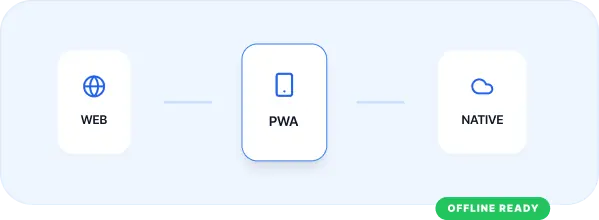
Zero hardware lock-in. OQSHA runs on the devices your site already carries.
Progressive Web App (PWA) for zero-friction installs
Offline-first mobile architecture for remote site work
Cloud-native performance with automated scaling
Modern API-first structure for simple integration
Zero hardware lock-in; use existing site devices
Enterprise-grade protection for your operational data, and structured inputs for reporting.
Fine-grained permissions by site, role, or module.
Full history of all data changes and access.
Secure hosting with regional compliance.
SAML 2.0 and Azure AD integration support.
Track health and safety metrics with granular accuracy for GRESB and GRI reporting.
Establish ironclad proof of policy adherence and board-level risk transparency.
Integrate spill reporting and waste management tracking into standard site workflows.
Independent recognition for the platform and the team.

Core workflows, field-first data model and AI guardrails are covered by a pending patent — protecting an approach to safety operations built from the ground up.
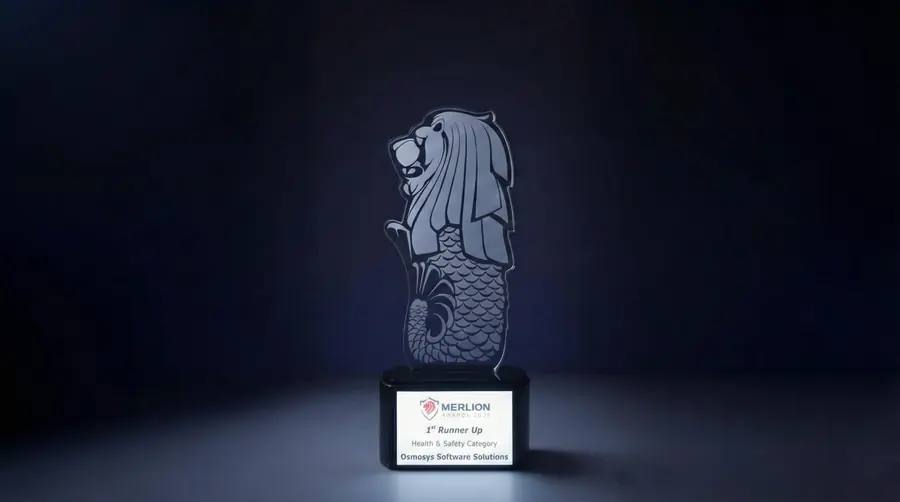
Recognised for making “AI in HSE” usable on the ground: capture, context, owner, closure, backed by a clear audit trail.
Recognised for digitising high-risk work with controlled workflows and tamper-evident records, so teams can prove compliance without chasing paperwork.
Most teams ask these questions before rolling out OQSHA.
Typically 2–6 weeks, depending on the number of sites, the modules you enable (Permit to Work, Inspections, Safety Alerts, HIRA, Visitor Management), and how much historical data you're bringing over. Most customers start with a pilot site, then roll out site by site.
Nothing special. Field teams use the OQSHA mobile app on Android or iOS phones and tablets; admins and managers use the web portal in any modern browser.
Yes. OQSHA is built for sites where connectivity is patchy: basements, towers under construction, plant floors. Field users can raise permits, safety alerts and inspections with no signal, including photos and attachments. Everything syncs automatically once the device reconnects.
Data is encrypted in transit and at rest, hosted on AWS in your chosen region. For organizations that need full control, OQSHA can also be deployed on-premise within your own infrastructure.
No. OQO runs as a captive AI. It works on your safety data within the OQSHA environment and never sends it to a public model or the open internet.
Yes. We support Single Sign-On and integration with common HRIS, ERP, and directory systems. Custom integrations are scoped with our implementation team during onboarding.
Yes. Historical permits, inspections, and incident records can be imported during onboarding, usually alongside the pilot, so your analytics and audit history are complete from day one.
Yes. Each organization runs in its own isolated tenant. Your templates, records, users, and dashboards are never visible to or shared with any other customer.
Built-in dashboards across permits, incidents, and inspections, filterable by site, zone, and time period. They're scoped automatically to what each user is allowed to see.
A named implementation contact through rollout, then standard support with response-time SLAs based on your plan. App updates are delivered over the air, so field users always have the latest version without reinstalling.
SAFER OPERATIONS START WITH A CONVERSATION
Your workflows. Your sites. A tailored OQSHA walkthrough.